
What Are UK Buyers Replacing Plastic With in Biodegradable Food Packaging?
Across the UK, food businesses, distributors, and importers are actively moving away from traditional plastic packaging. Driven by government regulations, retailer pressure, and rising consumer awareness, plastic is no longer considered a long-term option for foodservice packaging. As a result, buyers are increasingly searching for reliable alternatives within biodegradable food packaging that can meet performance, compliance, and sustainability expectations.
For UK buyers, the shift is not just about being “eco-friendly.” It is about finding packaging solutions that work in real-world food delivery, comply with regulations, and remain cost-effective at scale. This has led to a clear change in purchasing behaviour, with several materials replacing plastic across takeaway containers, clamshells, and food trays.
This blog explores what UK buyers are replacing plastic with, why certain materials are being preferred, and how biodegradable alternatives are performing in everyday foodservice use.
Table of Contents
Why UK Buyers Are Actively Moving Away from Plastic Packaging
Plastic packaging is rapidly losing favour in the UK due to a combination of regulatory and commercial pressures. Government-led restrictions on single-use plastics, along with Extended Producer Responsibility (EPR) regulations, have made plastic a compliance risk for food businesses and distributors.
At the same time, major supermarkets, QSR chains, and food delivery platforms are enforcing strict sustainability guidelines on their suppliers. Packaging that does not align with biodegradable food packaging goals is increasingly rejected during procurement.
From a buyer’s perspective, continuing to source plastic packaging can result in:
Higher regulatory risk
Loss of contracts with sustainability-focused clients
Negative brand perception among consumers
As a result, UK buyers are not simply reducing plastic usage — they are actively replacing it with materials that meet both environmental and functional requirements.
What Materials Are Replacing Plastic in Biodegradable Food Packaging?
UK buyers today have several alternatives available, but not all are equally accepted or effective. The most widely adopted replacements fall into a few key material categories.
1. Sugarcane Bagasse: The Most Preferred Plastic Alternative
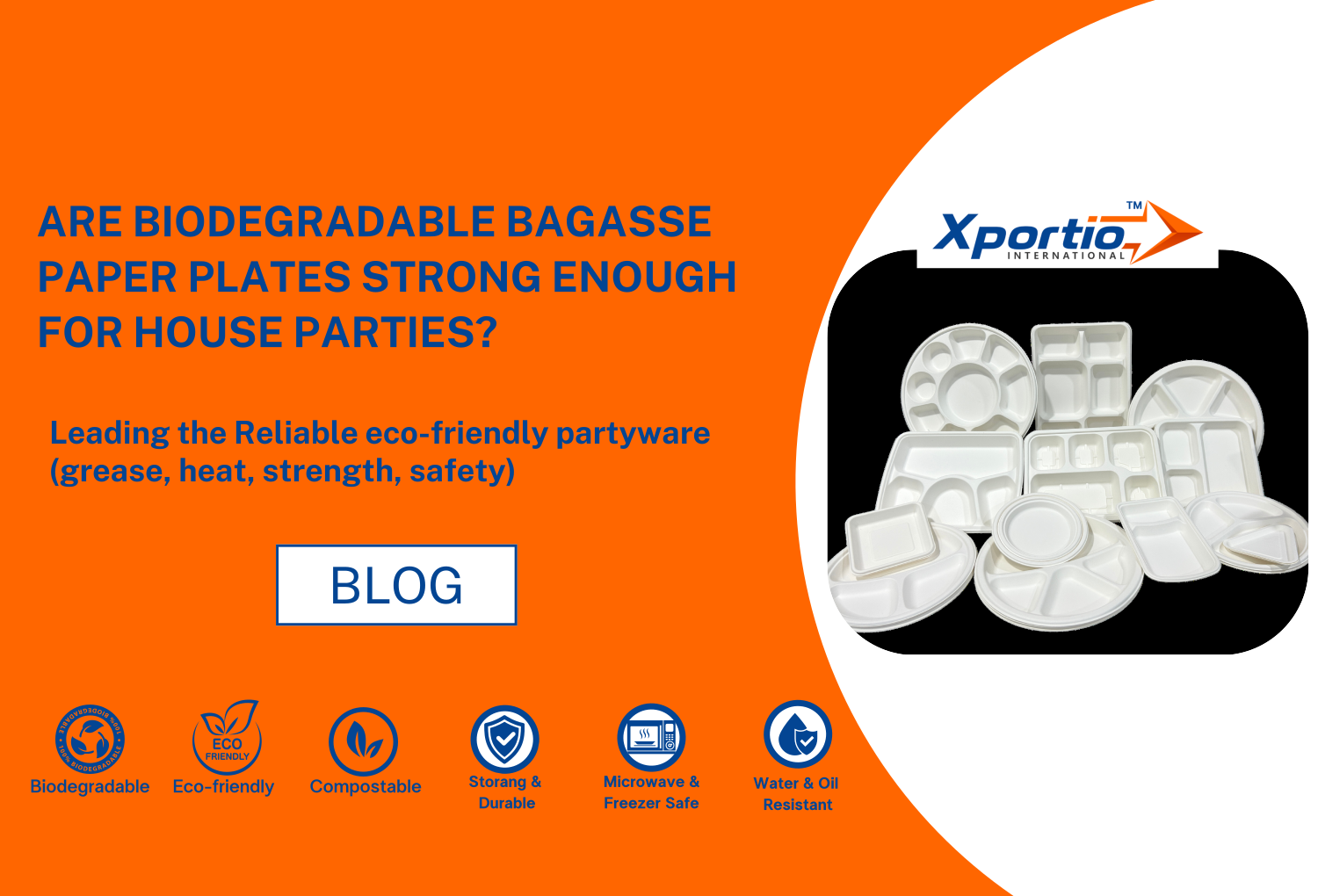
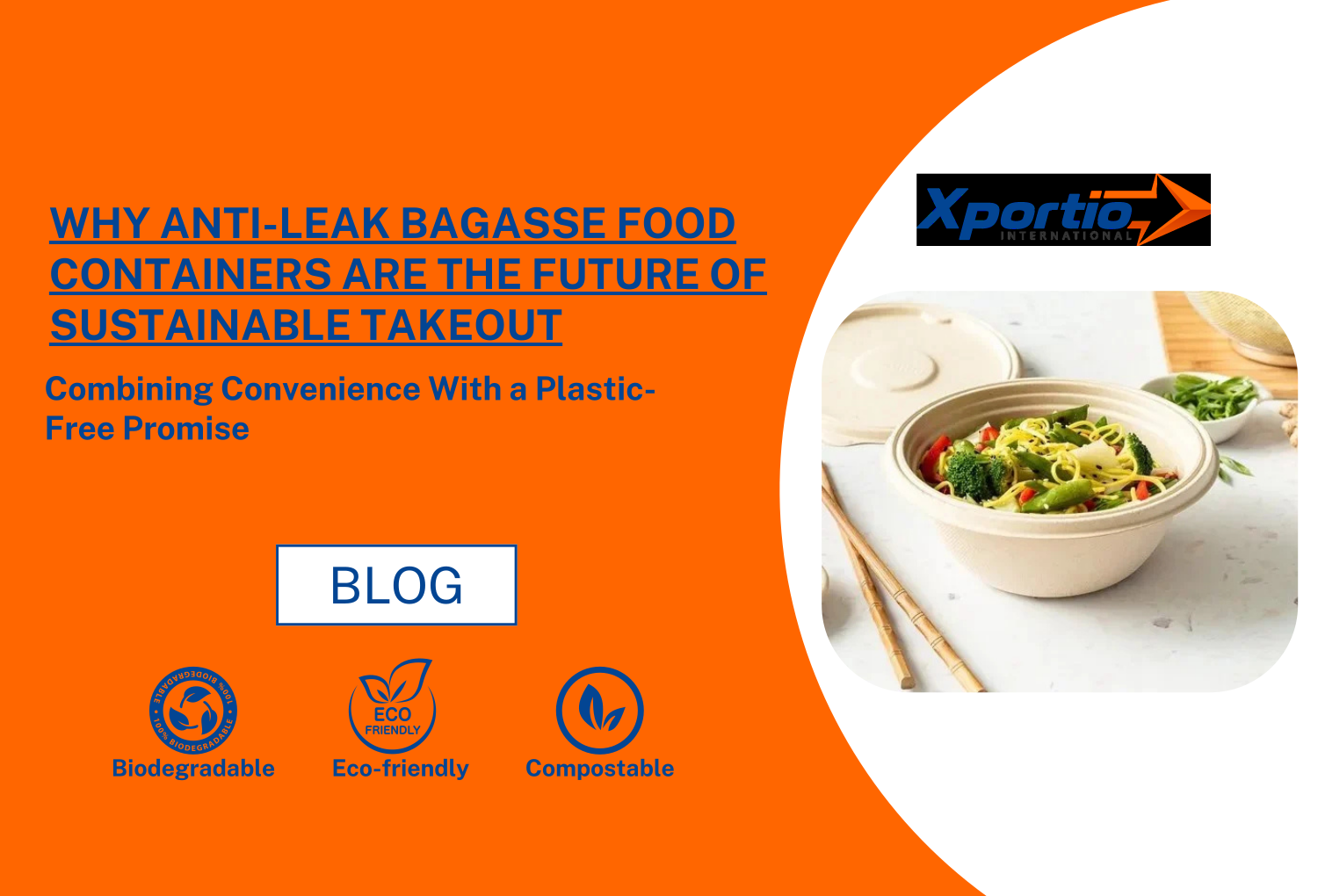
Sugarcane bagasse has emerged as one of the strongest replacements for plastic. Made from the fibrous residue left after extracting sugarcane juice, bagasse is renewable, compostable, and structurally strong.
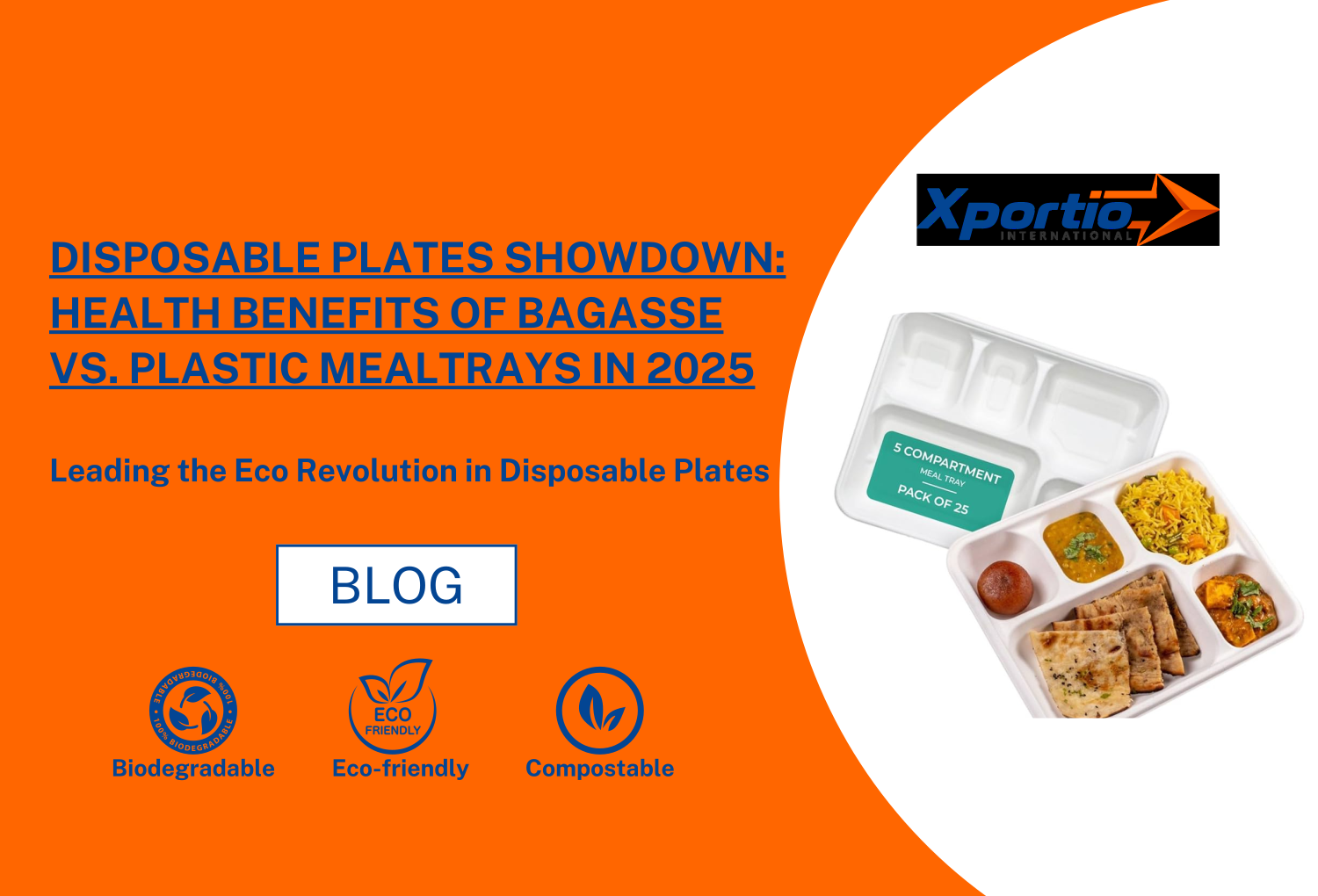
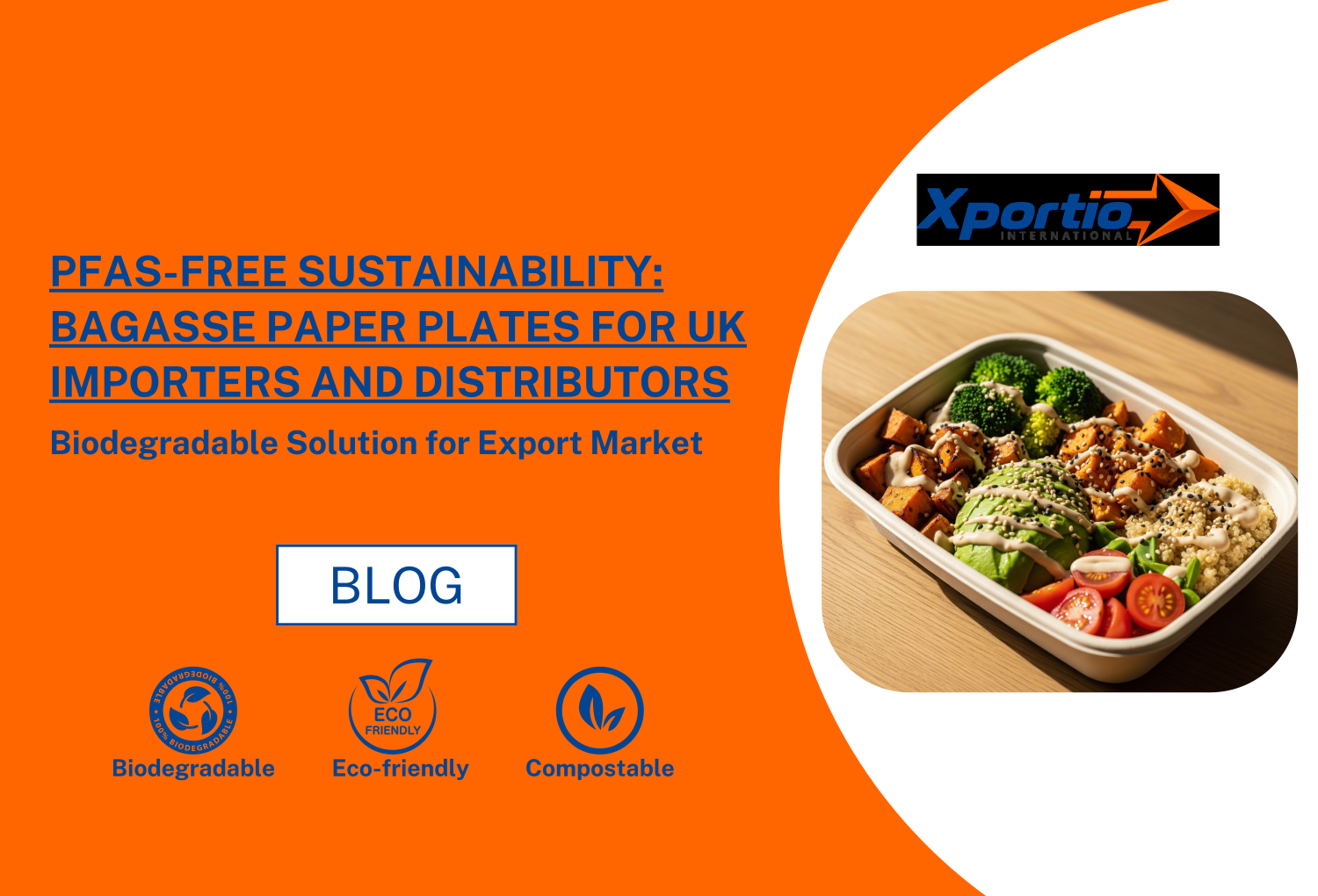
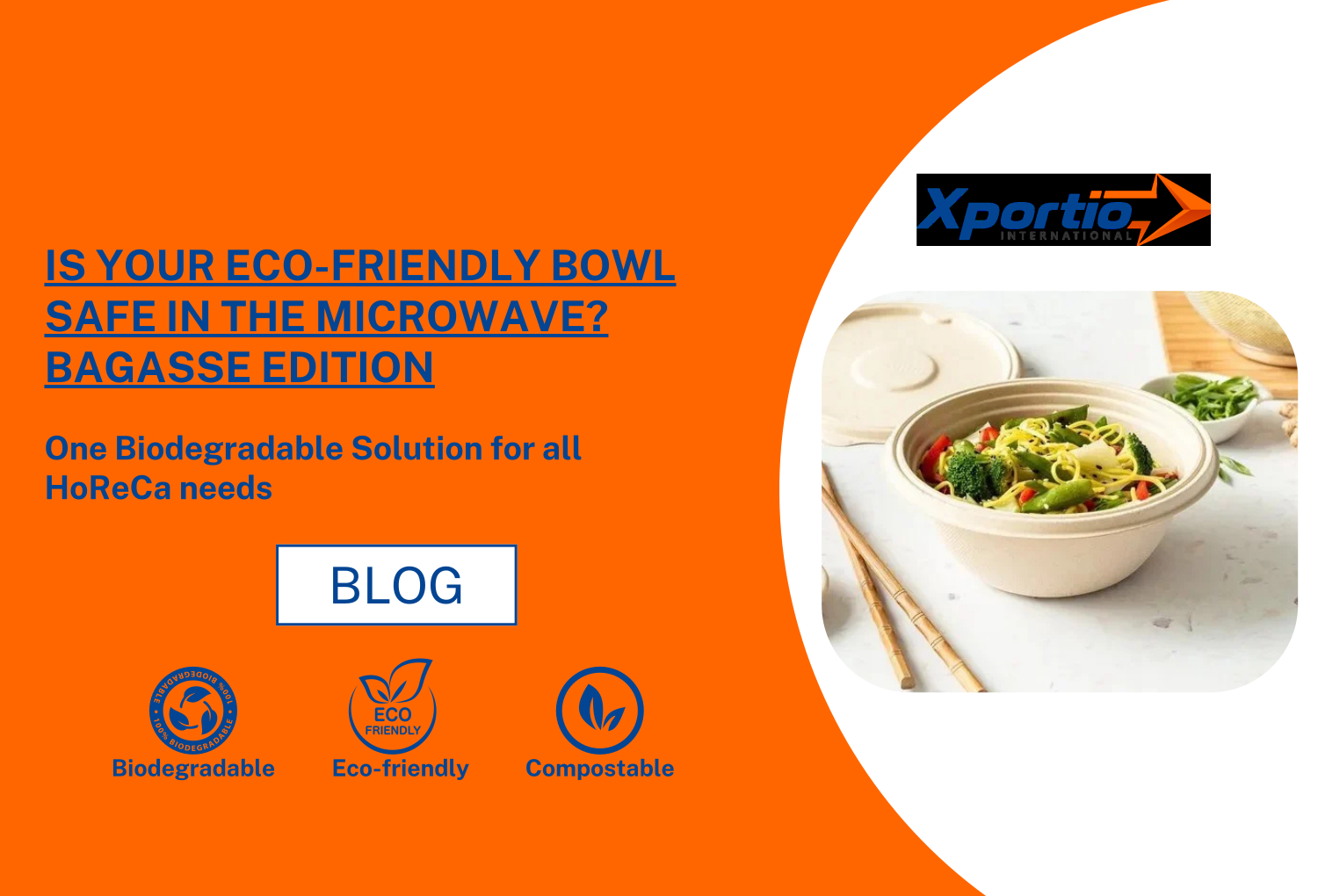
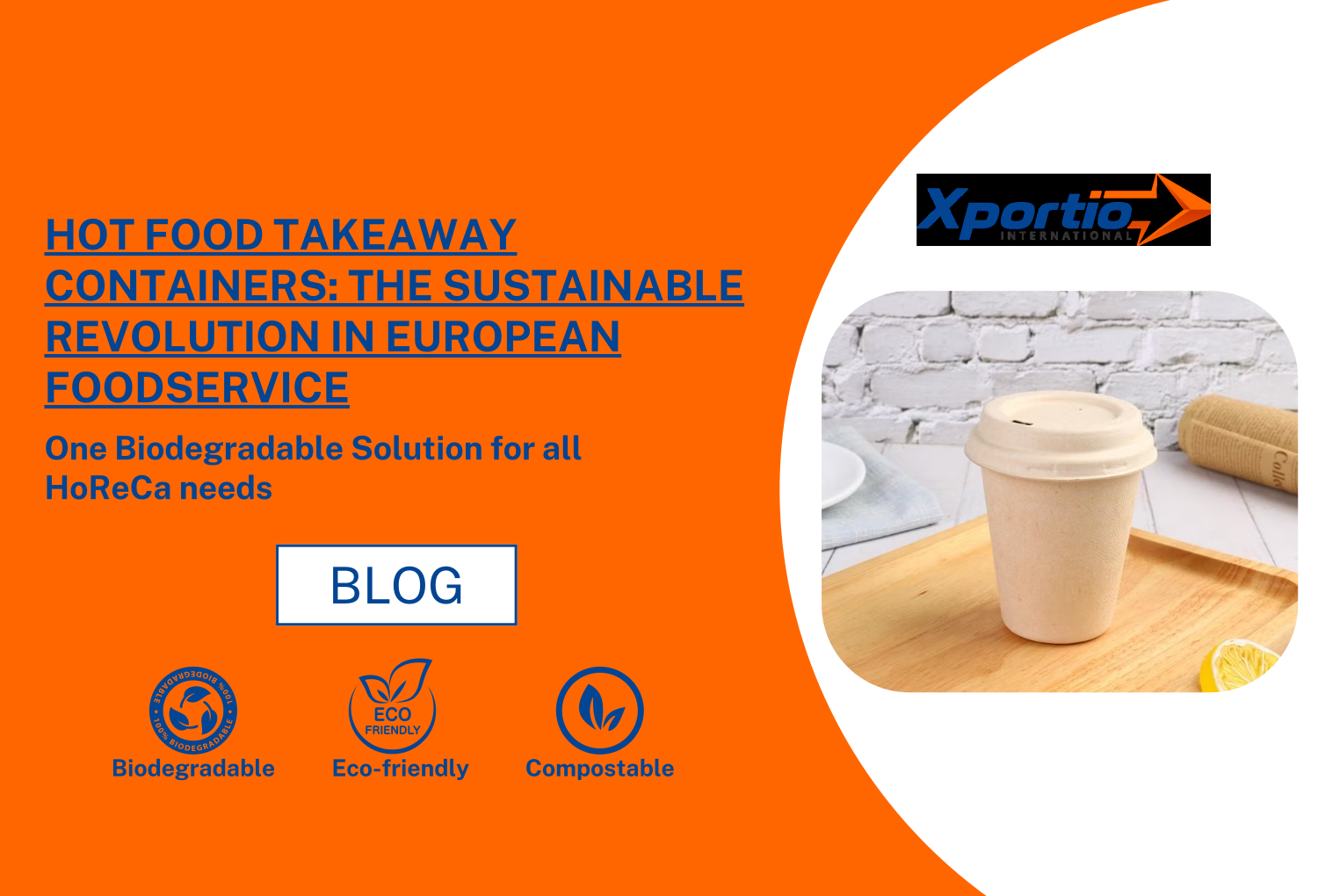
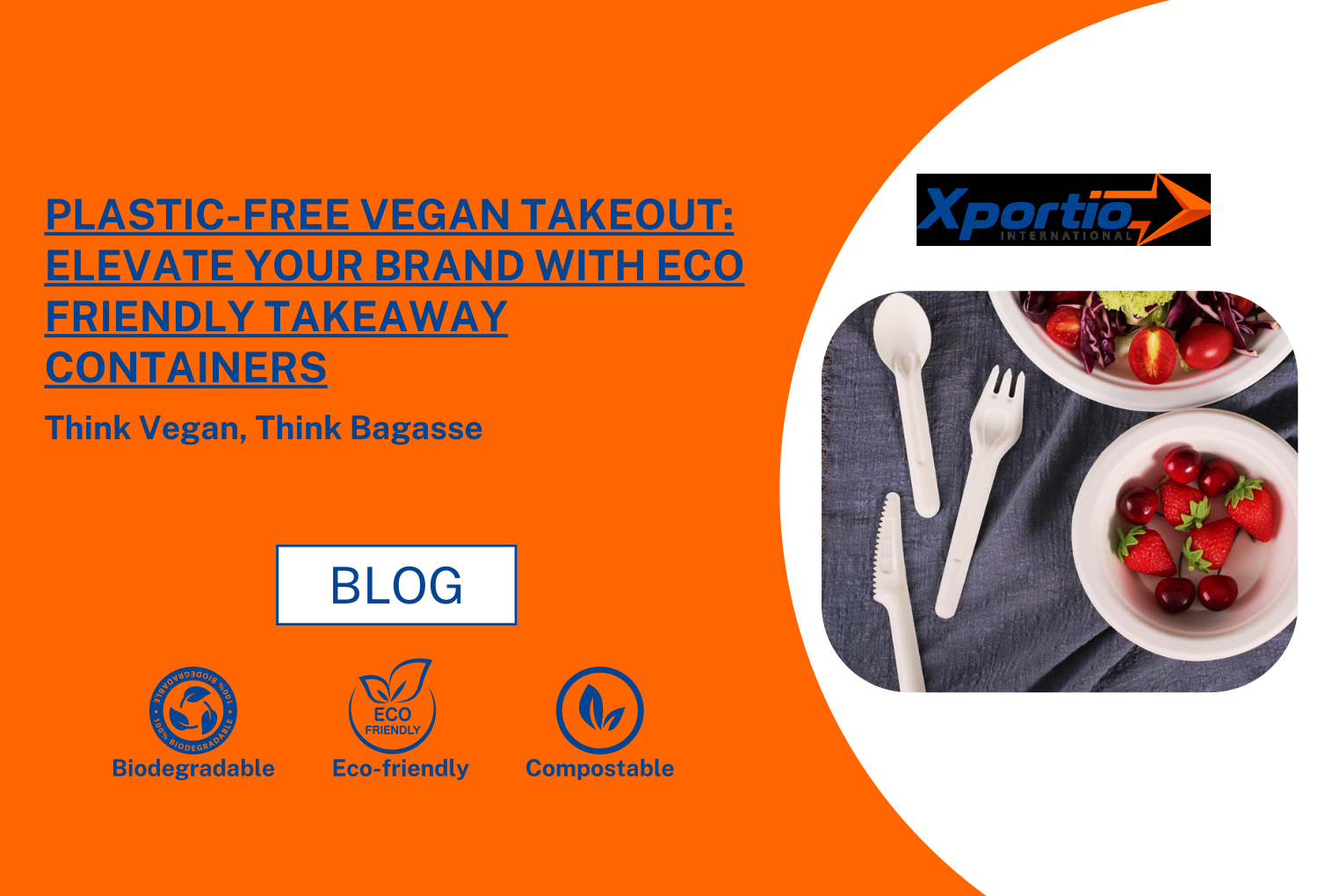
A Bagasse takeaway container offers the rigidity of plastic while being free from synthetic polymers. This makes it particularly attractive for UK buyers looking for packaging that aligns with sustainability goals without compromising food safety or performance.
Bagasse products are commonly used for:
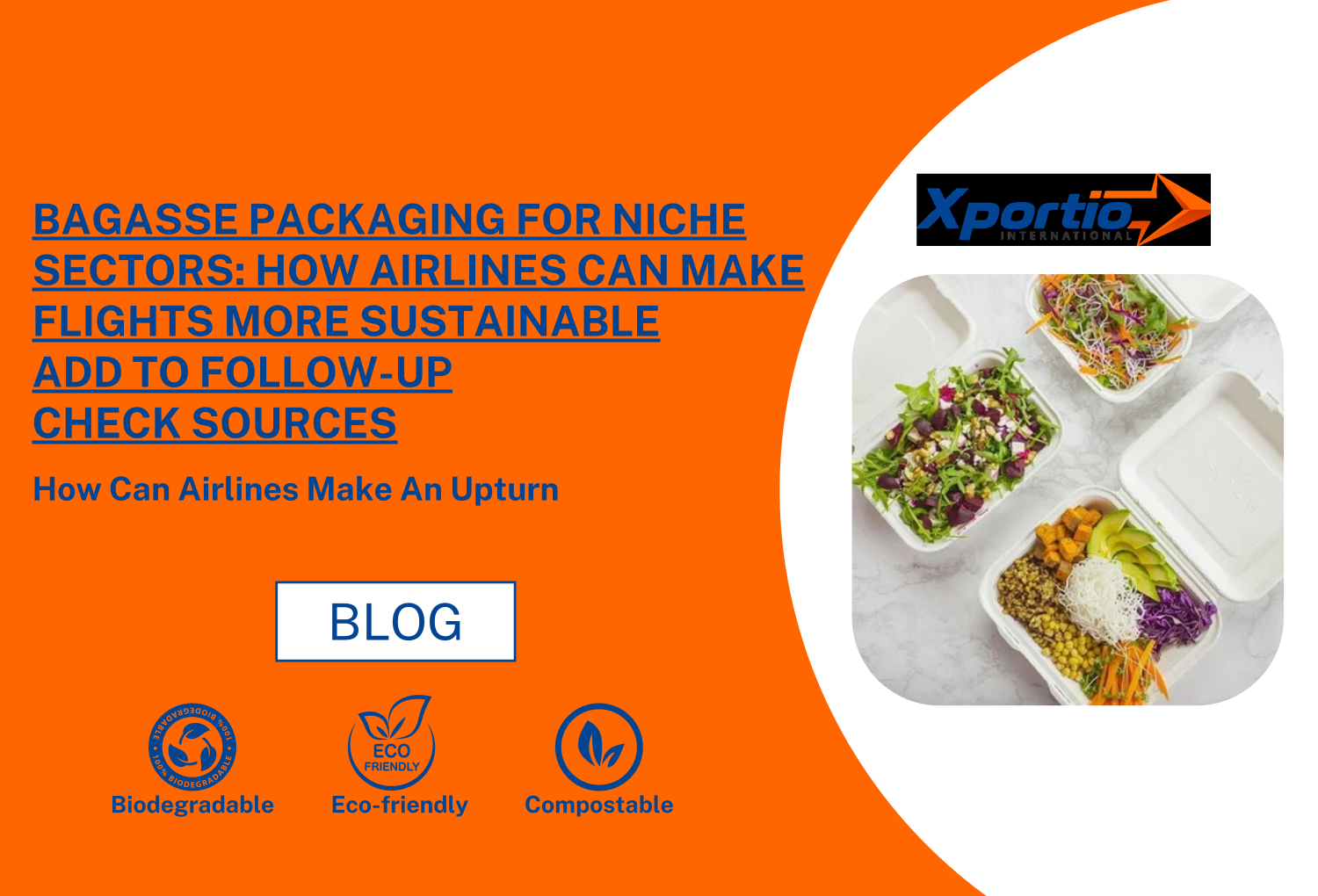
Takeaway meals
Burger boxes
Meal trays
Hot and greasy foods
Because of its moulded fibre structure, a Bagasse takeaway container maintains shape under heat and moisture, making it suitable for demanding foodservice applications.
2. Paper-Based Food Packaging
Paper and kraft packaging is another alternative replacing plastic in certain use cases. It is widely accepted by consumers and offers a familiar appearance. However, performance varies depending on coatings used to improve moisture resistance.
Many UK buyers now avoid plastic-lined paper and instead look for water-based or compostable coatings to remain aligned with biodegradable food packaging standards. While paper works well for dry foods, it is often less reliable for oily or saucy meals unless reinforced.
3. PLA and Plant-Based Bioplastics
PLA (polylactic acid) and other plant-based bioplastics are sometimes used as plastic replacements, particularly for cold food packaging. However, UK buyers are becoming cautious with these materials due to composting limitations.
PLA typically requires industrial composting facilities, which are not universally available in the UK. This has led many buyers to prioritise fibre-based alternatives that are more compatible with existing waste streams.
4. Other Natural Fibre Materials
Materials such as bamboo fibre, wheat straw, and blended moulded fibres are also being explored. While these options align with biodegradable food packaging goals, scalability and consistency remain key concerns for importers and distributors.
Why Bagasse Takeaway Containers Are Becoming the Top Choice in the UK
Among all alternatives, the Bagasse takeaway container has become the most widely adopted replacement for plastic in the UK foodservice sector.
One major reason is performance. Bagasse containers are rigid, heat-resistant, and suitable for a wide range of foods. They perform well with traditional UK takeaway items such as curries, fish and chips, burgers, and pasta.
Another factor is supply reliability. Bagasse products are manufactured at scale, making them suitable for bulk import and distribution. For buyers managing large volumes, a Bagasse takeaway container offers consistency in quality and availability.
From a sustainability standpoint, bagasse fits squarely within the UK’s move towards biodegradable food packaging, helping buyers meet regulatory and brand commitments simultaneously.
Do These Plastic Alternatives Perform Well for Hot, Greasy, and Saucy Foods?
Performance is one of the most critical concerns for UK buyers replacing plastic. Packaging that fails during delivery can damage both brand reputation and customer satisfaction.
High-quality biodegradable alternatives, particularly bagasse, are designed to handle:
High temperatures
Oil and grease
Moisture from sauces and gravies
An important feature buyers now look for is an antileak takeout container design. Leakage during food delivery is a major issue for takeaway businesses, especially those operating through delivery platforms.
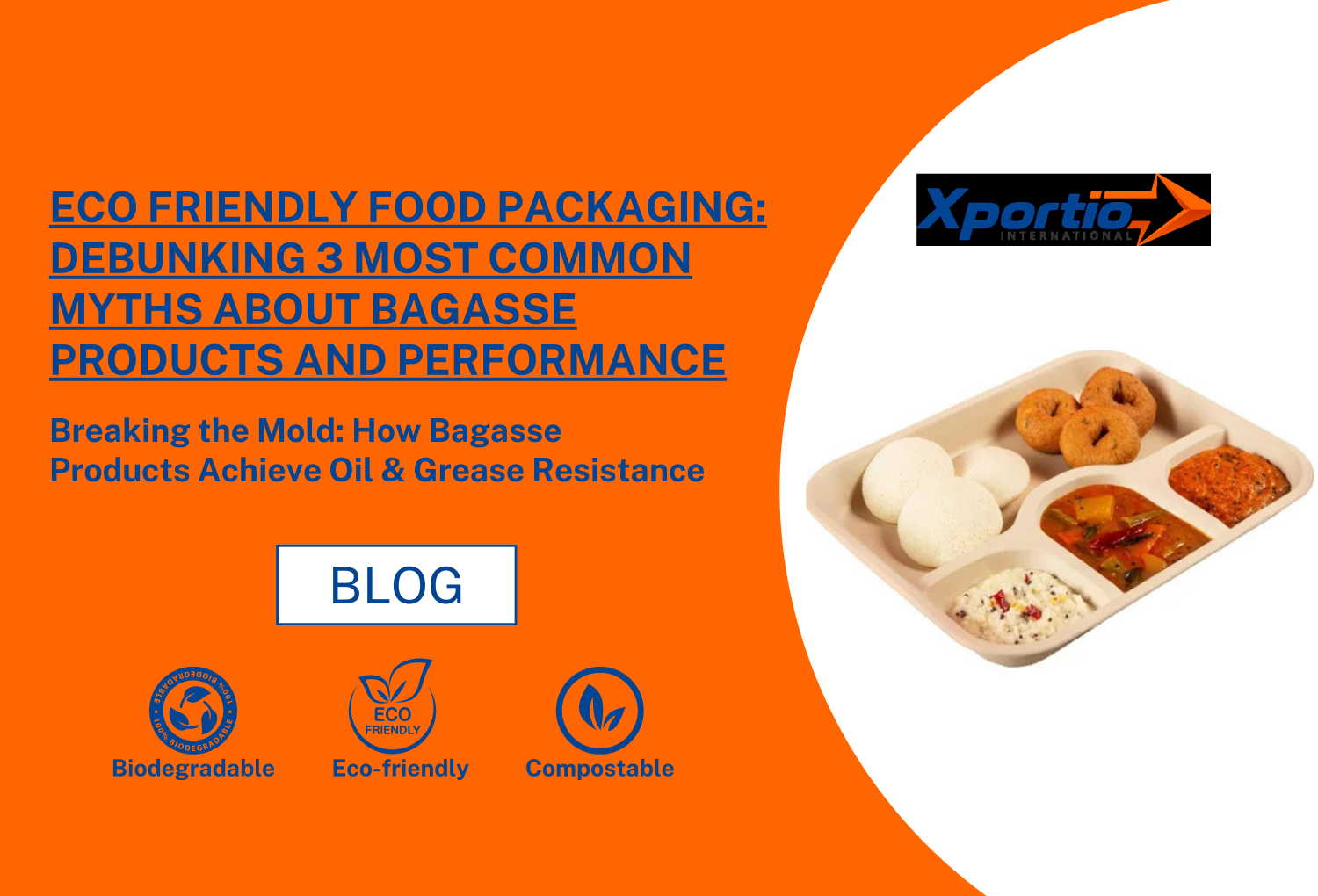
Well-manufactured bagasse products function effectively as an antileak takeout container by using dense fibre moulding and reinforced bases. This helps prevent seepage and maintains structural integrity throughout the delivery cycle.
Compared to traditional plastic, premium bagasse containers often perform equally well — and in some cases better — when handling greasy and saucy foods.
Are These Biodegradable Alternatives Compatible with the UK Waste System?
Another major consideration for UK buyers is end-of-life disposal. Simply being labelled eco-friendly is not enough. Packaging must align with actual UK waste processing systems.
Most fibre-based biodegradable food packaging, including bagasse, is suitable for industrial composting. Many products also break down naturally without leaving microplastics, which is a major advantage over certain bioplastics.
UK buyers are increasingly looking for:
EN 13432 compliance
Clear compostability labelling
Packaging that does not contaminate recycling streams
Bagasse containers are often favoured because they meet these expectations more reliably than coated paper or plastic-based alternatives.
What UK Importers and Distributors Should Look for When Switching from Plastic
For importers and distributors, switching from plastic involves more than just selecting a new material. It requires careful evaluation of suppliers and product performance.
Key factors UK buyers should assess include:
Certification and compliance with UK and EU standards
Heat resistance and food safety testing
Leak resistance and durability
Consistency in quality across shipments
Export-ready packaging and logistics support
When sourcing a Bagasse takeaway container, buyers should also evaluate whether it functions as a dependable antileak takeout container under real delivery conditions.
Suppliers that understand UK regulations and foodservice requirements are better positioned to support long-term partnerships in the biodegradable food packaging space.
Conclusion: The Future of Plastic-Free Food Packaging in the UK
UK buyers are clearly moving away from plastic and adopting fibre-based, compostable alternatives that align with sustainability and performance needs. Among the available options, bagasse has emerged as the most practical and widely accepted replacement.
The shift towards biodegradable food packaging is no longer driven by trends alone. It is being shaped by regulations, operational realities, and consumer expectations. Products such as the Bagasse takeaway container are becoming standard across takeaways, catering, and food delivery businesses due to their strength, reliability, and environmental benefits.
As demand continues to grow, buyers who prioritise quality, certification, and performance will be best positioned to succeed in a plastic-free future.
Steadport International Pvt Ltd is a leading manufacturer of biodegradable bagasse products in India which includes a range of antileak takeout containers.